
The social consequences of gambling in modern society
Understanding Gambling in Contemporary Culture
Gambling has become an integral aspect of modern society, intertwining itself with various social activities and entertainment options. From traditional casino games to online platforms, such as the digital adaptation of classic games like Plinko, the accessibility of gambling has increased dramatically. This shift not only reflects changing attitudes toward betting but also raises questions about the broader implications for social behavior and community dynamics. To explore more, visit https://brewquet.ca/.

As gambling becomes more embedded in our culture, particularly through mobile and online channels, it encourages a casual approach to risk-taking. People often perceive it as a form of entertainment, without recognizing the potential consequences. Consequently, many individuals may engage in gambling without fully understanding the risks involved, leading to issues that can affect their personal and social lives, particularly with games like the plinko game online.
The Impact on Family and Relationships
The social consequences of gambling extend deeply into family structures and personal relationships. When individuals gamble excessively, the repercussions can lead to financial strain and emotional distress within families. Spouses and children may find themselves bearing the brunt of the gambler’s poor decisions, resulting in a breakdown of trust and communication. The stress of financial instability can escalate tensions, leading to conflicts and sometimes even separation.
Moreover, the emotional toll on families often extends to mental health issues. Partners of gamblers frequently report feelings of anxiety, depression, and isolation. These emotional states can perpetuate a cycle of dysfunction, where the gambler seeks escape through further gambling, thus exacerbating the negative effects on family relationships, especially in the context of online plinko strategies.
Community and Societal Repercussions
On a broader level, gambling can lead to various societal issues, including crime and public health concerns. As individuals struggle with gambling addiction, there is often an increase in related criminal behaviors, such as theft or fraud, to fund their habits. Communities may witness a rise in crime rates as gambling-related financial distress leads individuals to make desperate choices.
Additionally, the societal burden of gambling addiction extends to healthcare systems, as individuals dealing with mental health challenges seek treatment. The need for supportive services and rehabilitation programs can strain local resources, diverting funds away from other community needs. Thus, the social consequences of gambling are not merely personal but can ripple through entire communities, impacting social stability and resource allocation.
Promoting Responsible Gambling Practices
To mitigate the social consequences of gambling, it is essential to promote responsible gambling practices. Educational initiatives can play a pivotal role in raising awareness about the risks associated with gambling. By informing individuals about the signs of gambling addiction and the resources available for help, communities can work towards fostering a healthier gambling culture.
Moreover, businesses involved in gambling, whether online or in-person, have a responsibility to implement measures that encourage safe play. Offering tools such as self-exclusion options and setting limits on gambling activities can empower players to make informed choices, potentially reducing the incidence of harmful behaviors associated with gambling, particularly in online plinko formats.
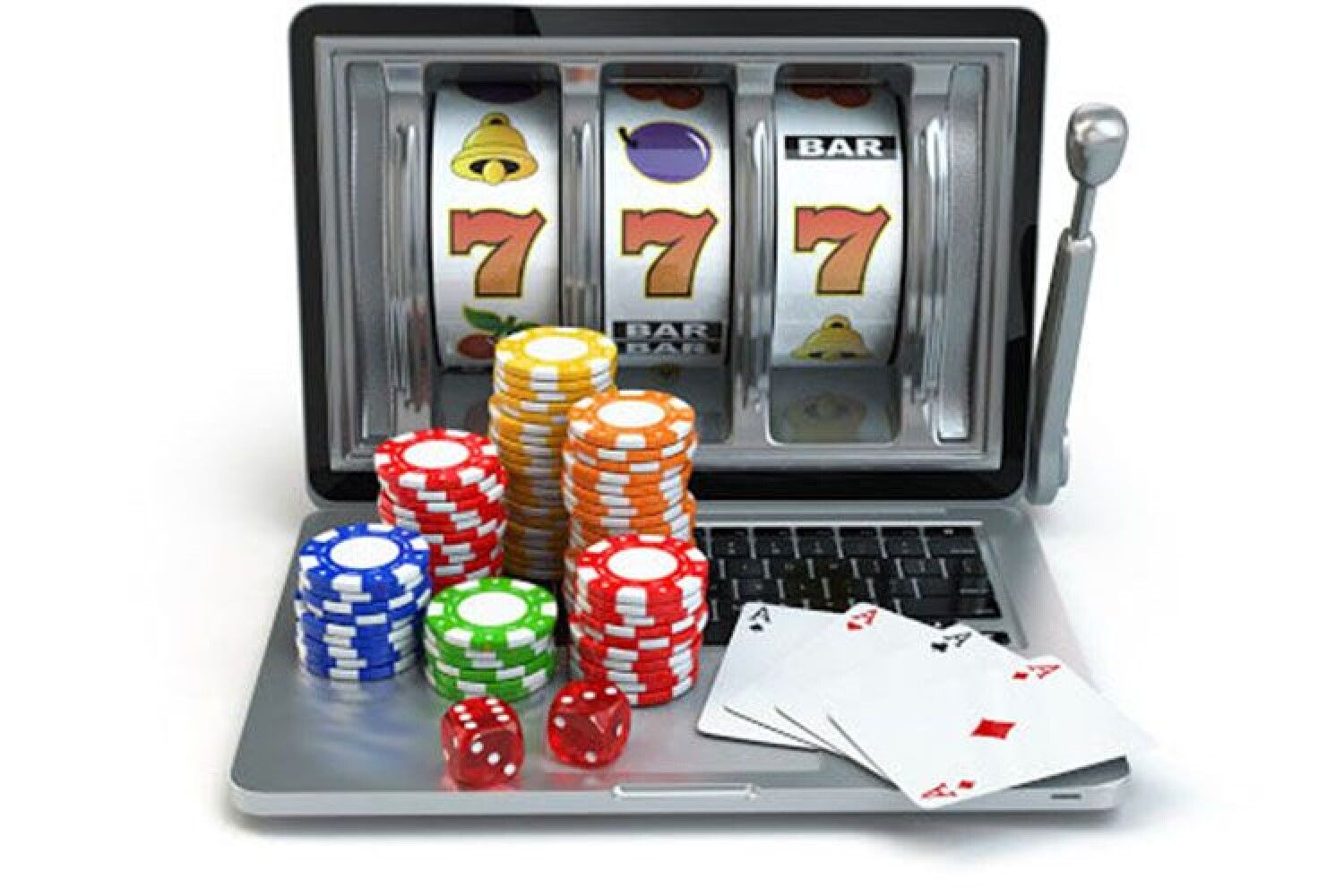
Exploring the World of Online Gambling
The rise of online gambling platforms has transformed the landscape of betting, introducing new dynamics to the conversation around its social consequences. Games like the plinko game have gained popularity, providing accessible entertainment to a wider audience. However, this accessibility also raises concerns about addiction and the ease with which individuals can gamble without supervision.
As more people engage with online gambling, understanding its implications becomes crucial. Resources, strategies, and a responsible approach to gaming are vital for ensuring that online gambling remains a fun and safe activity rather than a harmful addiction. By navigating these platforms thoughtfully, users can enjoy the thrill without succumbing to the potential pitfalls that come with them.

Aún no hay comentarios, ¡añada su voz abajo!