
Exploring the intriguing evolution of gambling throughout history
The Origins of Gambling
The origins of gambling can be traced back thousands of years, with evidence suggesting that forms of betting and games of chance existed in ancient civilizations. Archaeological findings in Mesopotamia reveal that dice made from animal bones were used as early as 3000 BCE. These primitive games laid the groundwork for more sophisticated betting practices, showcasing humanity’s innate desire for risk-taking and reward. The excitement generated by these early gambling activities spoke to a fundamental aspect of human nature: the thrill of uncertainty. Today, players can experience this excitement through platforms like Playmeth, where modern gaming meets ancient traditions.

In ancient China, gambling also held significant cultural importance. The Chinese are credited with developing one of the earliest known lottery games, which dates back to the Han Dynasty around 205-187 BCE. This game not only served as a form of entertainment but also contributed to public projects, such as the Great Wall. As gambling evolved, it became intertwined with social customs and rituals, often seen as a means of divination or fortune-telling.
As civilizations developed, so too did the complexity of gambling activities. The Romans are known for their love of gaming, engaging in various types of bets and games, including dice games and betting on gladiatorial contests. The expansion of the Roman Empire facilitated the spread of these gambling practices throughout Europe, influencing the games that would eventually evolve into modern betting formats. Thus, the roots of gambling are deeply embedded in human culture, reflecting a timeless pursuit of excitement and profit.
The Middle Ages and Gambling Regulation
The Middle Ages saw significant shifts in gambling practices, particularly in Europe. While the Church often condemned gambling as a vice, it could not eradicate its popularity. Instead, organized gambling flourished, with the establishment of betting houses and the emergence of games like cards, which were introduced from Asia. These games became synonymous with social gatherings among the nobility, reinforcing the idea that gambling was not just a vice but also a form of social interaction.
During this period, governments began to regulate gambling, viewing it as a potential source of revenue. The introduction of gaming laws aimed to control the chaotic nature of illicit gambling while ensuring that it could be taxed effectively. England, for example, enacted laws to regulate betting on horse racing, leading to the formal establishment of bookmakers. This era marked the beginning of recognizing gambling as a legitimate business activity, paving the way for future developments.
Simultaneously, the rise of gambling-related literature and games indicated a burgeoning interest in the psychology and strategy behind betting. Books on gaming strategies emerged, revealing the deepening understanding of odds and probability. This intellectual engagement with gambling would lay the groundwork for more sophisticated forms of betting in the centuries to come, emphasizing the blend of entertainment and strategy that defines gambling today.
The Renaissance and the Birth of Modern Gambling
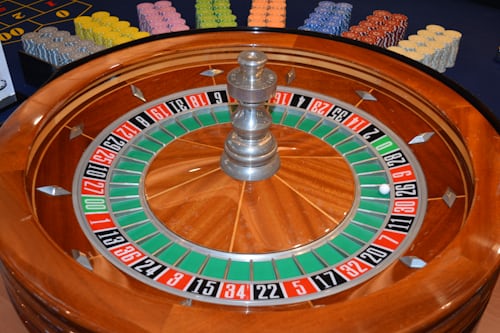
The Renaissance period ushered in a transformative era for gambling. With advancements in mathematics and science, the understanding of probability flourished, influencing gambling strategies. The introduction of the roulette wheel and the establishment of formal casinos in Italy changed the landscape of gambling. These establishments became social hubs where individuals from various backgrounds gathered to try their luck, thereby democratizing access to gambling.
In France, the concept of the casino took off, leading to the development of more structured games, including blackjack and poker. The allure of these games attracted wealthy patrons, fueling competition and innovation in the gaming industry. The new social dynamics surrounding casinos allowed for the emergence of elaborate games and betting strategies, as players sought to maximize their winnings while enjoying the atmosphere.
The increased visibility of gambling during the Renaissance also prompted a wave of criticism and reform. Social commentators began to question the moral implications of gambling, leading to calls for stricter regulations. Despite this scrutiny, the popularity of gambling continued to grow, culminating in the establishment of some of the most famous gambling cities, such as Monte Carlo and Las Vegas. This period marked a shift towards gambling as a mainstream entertainment option, rather than a secretive pastime.
The 20th Century and Global Expansion of Gambling
The 20th century saw a dramatic evolution in gambling practices, particularly with the advent of technology. The introduction of electronic slot machines in the 1960s revolutionized the gambling experience, making it more accessible and appealing to a broader audience. This shift coincided with the legalization of gambling in various regions, as governments recognized its potential for generating revenue. Las Vegas became a focal point for this new era of gambling, showcasing extravagant casinos and entertainment.
Moreover, the rise of the internet in the late 20th century further transformed gambling, leading to the establishment of online casinos and virtual betting platforms. Players could now enjoy their favorite games from the comfort of their homes, accessing an endless array of options without geographical limitations. This online boom not only expanded the gambling audience but also introduced innovative betting strategies and games designed specifically for digital environments.
As gambling became increasingly globalized, it also faced new challenges, including concerns about problem gambling and regulatory measures. Governments implemented responsible gambling initiatives to protect vulnerable populations, while the gaming industry adapted by enhancing player safety features. The balance between enjoyment and risk management became a focal point of discourse within the gambling community, shaping how the industry operates today.
PlayMeth Casino: The Future of Online Gambling
As we explore the evolution of gambling, modern platforms like PlayMeth Casino represent the pinnacle of this journey. Catering to Australian players, PlayMeth Casino offers a vast selection of over 2000 games, including exciting real money pokies and live dealer options. The platform is dedicated to providing a secure and enjoyable gaming experience, utilizing advanced encryption technology to safeguard player data and transactions. This commitment to player safety reflects the industry’s evolution towards responsible and secure gambling practices.
PlayMeth Casino enhances the gaming experience with generous bonuses and promotions that encourage players to explore new games and maximize their potential winnings. The structured welcome package ensures that newcomers feel valued, while ongoing promotions keep the excitement alive for returning players. With 24/7 customer support, PlayMeth Casino is dedicated to assisting players in navigating their gaming journey, reinforcing the idea that customer service is paramount in today’s competitive market.
In conclusion, the evolution of gambling has been a fascinating journey from ancient rituals to the digital platforms of today. PlayMeth Casino stands at the forefront of this transformation, embodying the blend of tradition and innovation that defines modern gambling. As technology continues to advance, the future of gambling promises even more exciting developments, making it an industry to watch closely.

Aún no hay comentarios, ¡añada su voz abajo!